How is generative AI changing the way we think, learn, create and make discoveries? A new interdisciplinary research centre at Aarhus University will bring together researchers from computer science, design and the humanities to investigate how human cognition is changing as AI becomes an increasingly integrated part of our everyday lives.
The new centre, Thinking With Machines: Human Cognition in the Age of GenAI (TWM), has received DKK 50 million from the Carlsberg Foundation and will run for six years. TWM is one of three new interdisciplinary research centres funded with a total of DKK 150 million to mark the Carlsberg Foundation’s 150th anniversary.
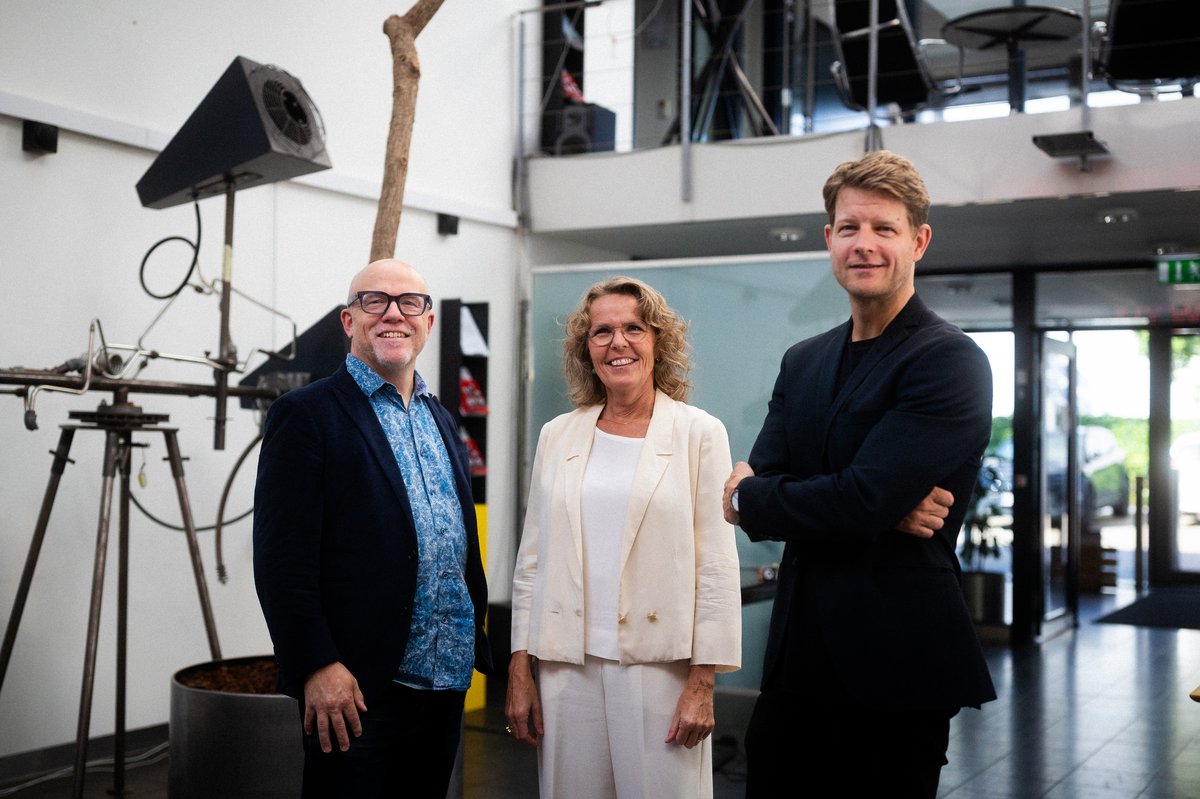
The centre is led jointly by Professors Niklas Elmqvist and Marianne Graves Petersen from Department of Computer Science, and Professor Peter Dalsgaard, School of Communication and Culture.
Together, they will examine a fundamental question: How does, can and should human cognition change as generative AI becomes part of our everyday thinking environments?
Generative AI is already embedded in tools we use to write, analyse, learn, design and conduct research. As humans delegate more tasks to AI, the division of cognitive work between people and technology is also changing.
“Generative AI is not just giving us new tools, it is changing how we think, learn and create. Right now, we have a unique opportunity to study that transformation while we can still compare how people reason with and without AI. To understand a change this fundamental, we need to bring together perspectives from the humanities, computer science and design,” says Peter Dalsgaard.
The centre approaches the question from three complementary research perspectives.
Peter Dalsgaard will lead the investigation into how human cognition is already changing, including how reasoning, responsibility and cognitive work are redistributed as people begin to work alongside AI.
Niklas Elmqvist will explore how human cognition can change by developing new forms of human-AI collaboration that go beyond today's chatbots and copilots and give people greater opportunities to inspect, challenge and direct AI contributions.
Marianne Graves Petersen will investigate how human cognition should change, drawing on the Scandinavian tradition of participatory design to explore how future AI-supported environments can strengthen human agency and empowerment.
“The question is not simply what AI can do, but how we want it to become part of our lives. We want to explore how AI can support human thinking without taking away agency and control – and, importantly, involve the people who will use these technologies in shaping what those future interactions should look like,” says Marianne Graves Petersen.
The project will study human-AI interaction across three areas: education, creative work and scientific discovery.
In Danish primary and secondary schools, researchers will investigate how generative AI affects learning, critical thinking and the balance between students' own reasoning and AI assistance. In creative practice, the centre will collaborate with design, architecture and artist studios to examine how AI changes exploration, authorship and creative decision-making. And in natural science laboratories at Aarhus University, researchers will study how AI influences scientific reasoning, from forming hypotheses and identifying patterns to evaluating evidence.
Studying the same questions across different settings will allow the researchers to identify both common patterns and important differences in how AI changes human thinking.
The centre will not only study existing AI systems. Researchers will also develop and test alternatives to today's dominant AI tools, exploring ways of making human-AI collaboration more visible and interactive. This could include systems that allow people to inspect and challenge AI contributions or encourage them to articulate their own reasoning before consulting AI. The aim is to develop a deeper understanding of human-AI cognition while creating new frameworks, methods and tools for AI-supported thinking.
The Carlsberg Foundation received 58 applications for the new interdisciplinary research centres, requesting a total of almost DKK 2.8 billion. Three centres were selected for funding following external peer review and interviews with selected applicants.
Read more:
Carlsberg Foundation: DKK 150 million for three interdisciplinary research centres
Carlsberg Foundation: Thinking With Machines – Human Cognition in the Age of GenAI
Thinking With Machines: Human Cognition in the Age of GenAI is an interdisciplinary research centre at Aarhus University led jointly by Professors Niklas Elmqvist and Marianne Graves Petersen from the Department of Computer Science, Faculty of Natural Sciences, and Professor Peter Dalsgaard from the School of Communication and Culture, Faculty of Arts.
The centre runs for six years and is funded by the Carlsberg Foundation through the Carlsberg Foundation Interdisciplinary Research Centres programme.
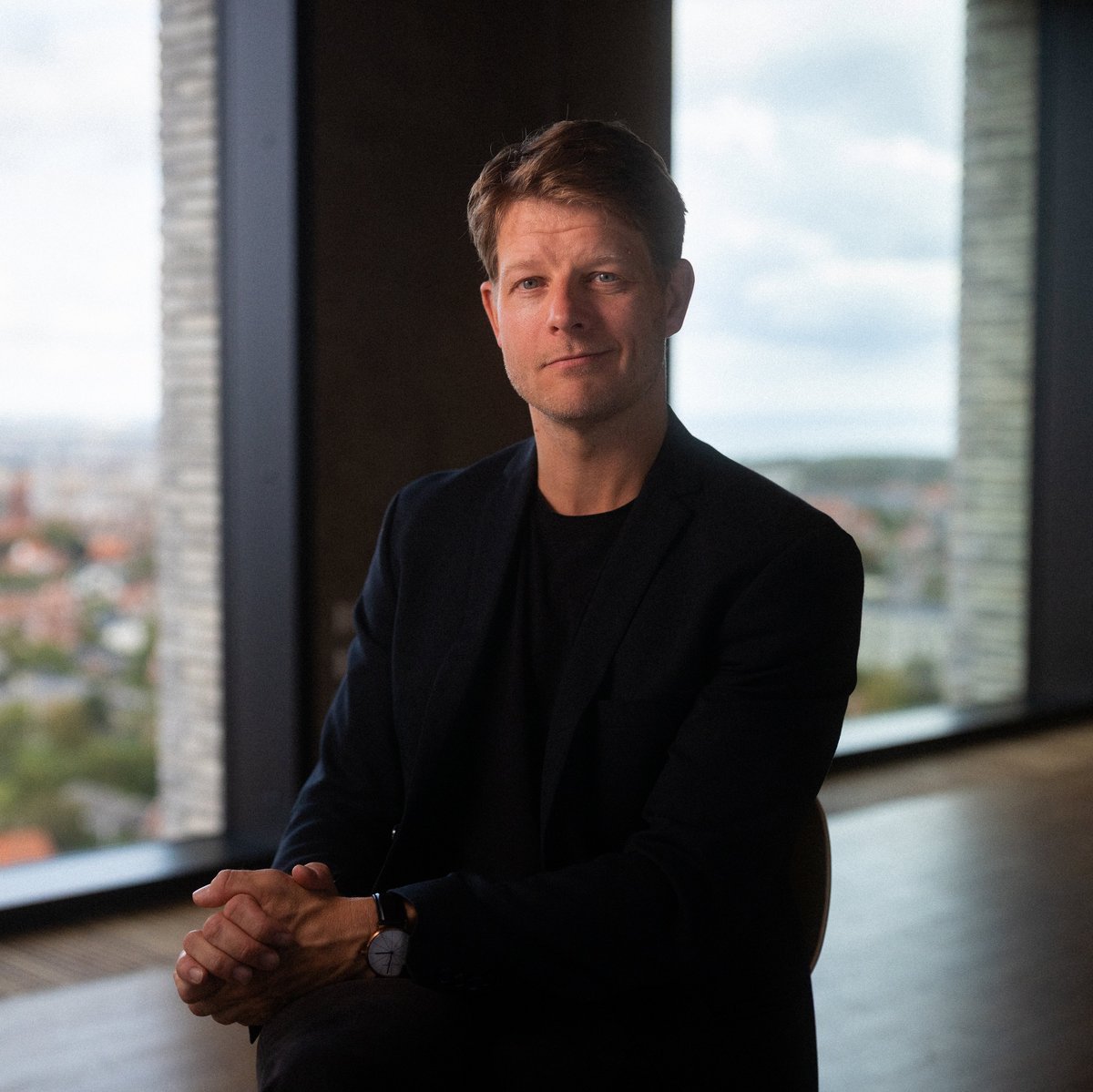
Professor Peter Dalsgaard, School of Communication and Culture, will lead the investigation into how human cognition is already changing, including how reasoning, responsibility and cognitive work are redistributed as people begin to work alongside AI.
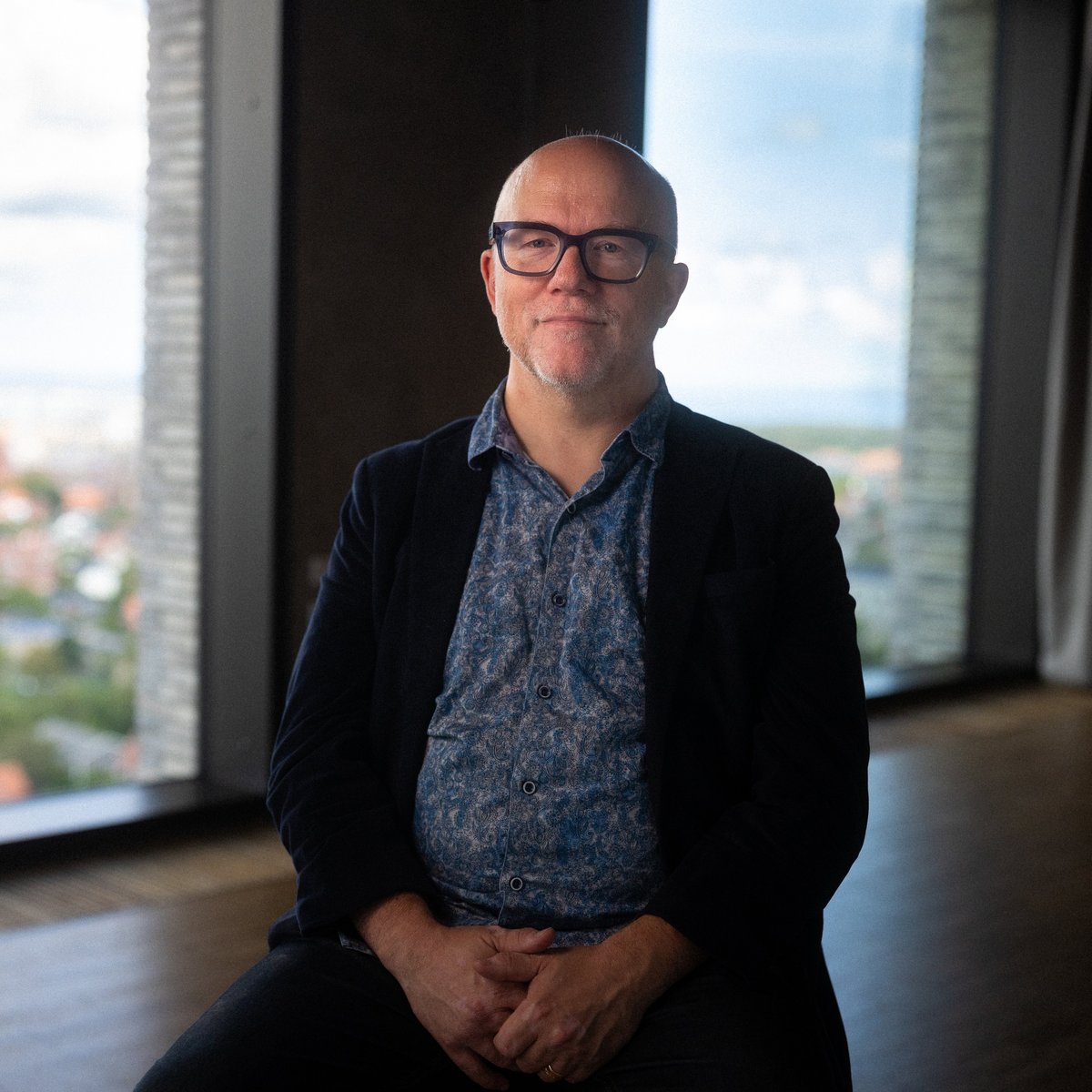
Professor Niklas Elmqvist, Department of Computer Science, will explore how human cognition can change by developing new forms of human-AI collaboration that go beyond today's chatbots and copilots and give people greater opportunities to inspect, challenge and direct AI contributions.
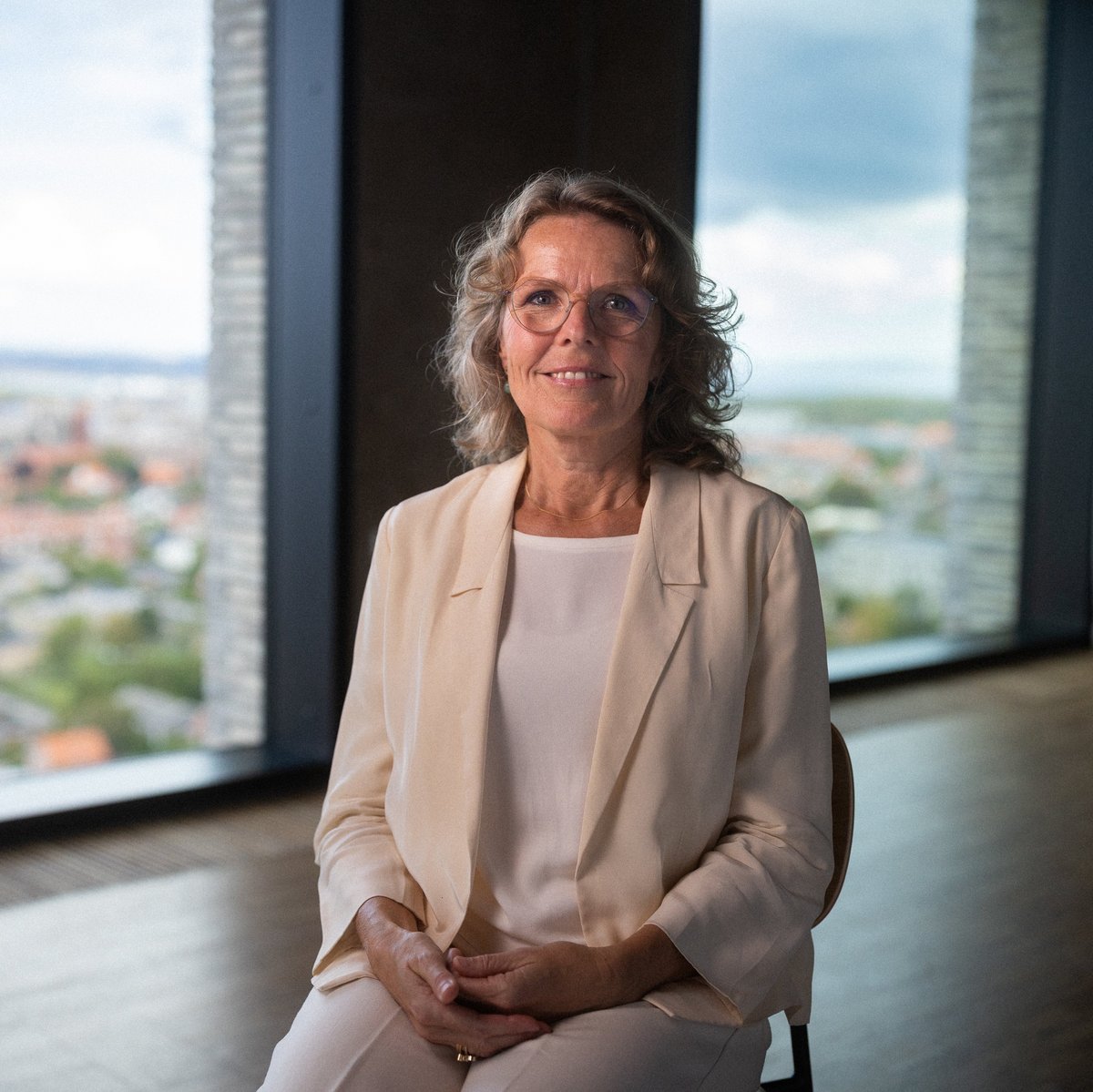
Professor Marianne Graves Petersen, Department of Computer Science, will investigate how human cognition should change, drawing on the Scandinavian tradition of participatory design to explore how future AI-supported environments can strengthen human agency and empowerment.
