Today, we celebrate two world-leading computer scientists and long-time colleagues at the department. Ivan Damgård marks an impressive 40-year anniversary, and Lars Birkedal celebrates his 25th. Over the years, both have made groundbreaking contributions to research, built thriving international research environments, and inspired students and researchers around the globe.
Friends, family, colleagues, and collaborators joined in celebrating the two professors — and the department is proud to recognize their lasting impact on science, education, and society.
Thank you both for your invaluable work and dedication!
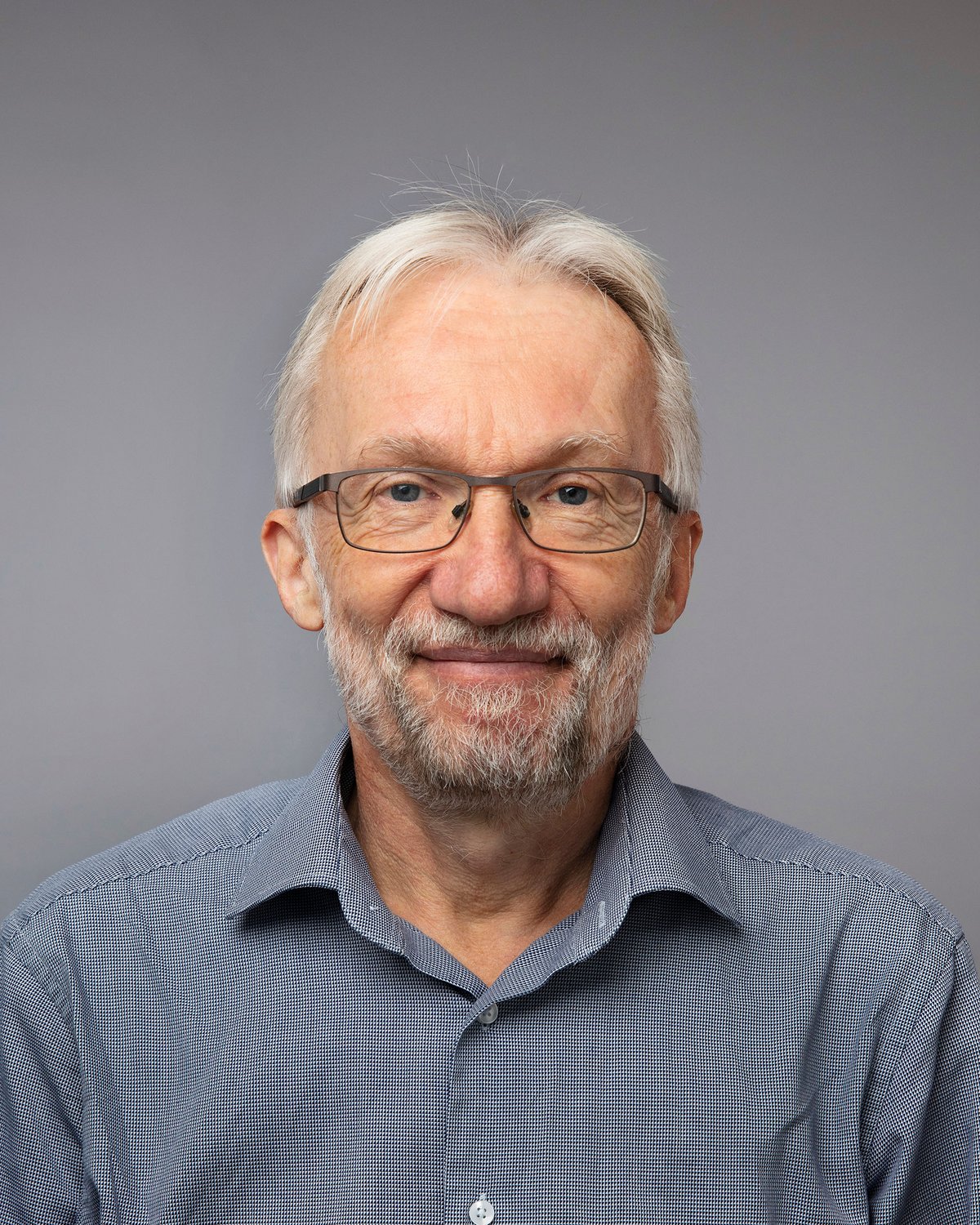
PhD in Computer Science (number 13) from Aarhus University, 1988.
Master’s in mathematics with a minor in Computer Science from Aarhus University, 1983.
Professor Ivan Damgård is one of the true pioneers in cryptography, both in Denmark and internationally. Since completing his PhD in 1988, Ivan has built a distinguished academic career at the department, becoming a professor in 2005 and founding one of Europe’s strongest cryptography groups.
Ivan’s research spans a wide spectrum — from foundational theory to real-world applications. He is internationally known for the Merkle–Damgård construction, and for his influential work in secure multiparty computation, hash functions, zero-knowledge protocols, and quantum cryptography. He has authored more than 180 peer-reviewed publications and is ranked second on the IACR’s list of most prolific authors in cryptography, with over 34,000 citations and an h-index of 83.
He has supervised over 60 master’s theses, 35 PhD students, and 20 postdocs — many of whom now hold professorships at leading institutions across Europe. He also co-authored the standard reference Multiparty Computation and Secret Sharing, published by Cambridge University Press, and is co-founder of the spin-off companies Cryptomathic (1986) and Partisia (2008), which have translated cryptographic research into commercial products and services.
Ivan has received numerous international awards, including the RSA Conference Award for Excellence in Mathematics, an ERC Advanced Grant, the Dijkstra Prize in Distributed Computing (2023), and multiple Test-of-Time awards (PKC, STOC, TCC). He is a Fellow of the IACR, a member of the Royal Danish Academy of Sciences and Letters, and was knighted with the Order of the Dannebrog in 2021.
Ivan’s work underpins the security of digital systems used worldwide today — from protecting data in online banking and elections to enabling privacy-preserving health data analysis. His research on secure multiparty computation has helped shape emerging technologies for secure collaboration between organizations without compromising sensitive data, influencing legislation, tech policy, and industrial innovation.
Outside academia, Ivan is a respected folk musician — a composer and performer on violin, mandolin, and guitar. He received a Danish Music Award in 2007 and was named Rigsspillemand in 2014 — the highest recognition in Danish folk music.
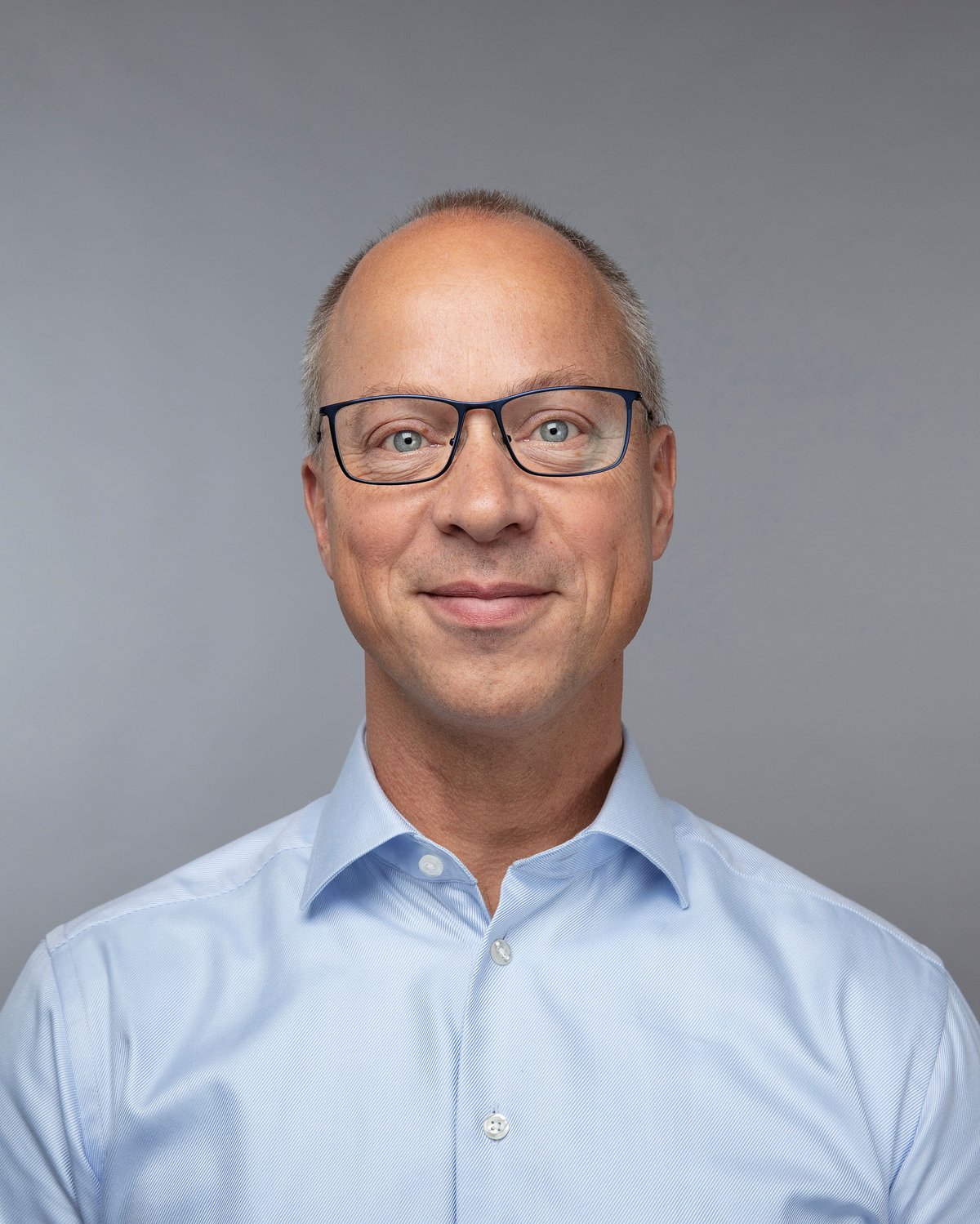
PhD in computer science from Carnegie Mellon University, 1999.
Master’s in computer science from University of Copenhagen, 1994.
Professor Lars Birkedal is internationally recognized for his research in the logic and semantics of programming languages. Since joining Aarhus University in 2013 and serving as Head of Department from 2014 to 2017, Lars has helped shape the department’s strong profile in formal methods and program verification.
He is the founder and director of the Center for Basic Research in Program Verification (CPV), one of the world’s leading research centers on mathematically rigorous reasoning about software. The center’s work on Iris — a logic for verifying concurrent programs — has gained widespread acclaim and received both the 2023 Alonzo Church Award and the 2025 POPL Test-of-Time Award.
Lars' recognitions include an ERC Advanced Grant (2023), the Danish Elite Researcher Award (2015), and two Villum Investigator Grants (2019 and 2025) to establish and further strengthen CPV. He has also received the ACM SIGPLAN Robin Milner Young Researcher Award and has been elected Fellow of the ACM and member of the Royal Danish Academy of Sciences and Letters. He has received numerous distinguished paper awards.
He has published over 180 papers, with nearly 10,000 citations, and has supervised more than 30 PhD students and 20 postdocs. Notably, he is the most prolific author in Proceedings of the ACM on Programming Languages (PACMPL). He has served as Editor-in-Chief of Logical Methods in Computer Science, and chaired top conferences like POPL and LICS..
Lars’ research is helping build the foundation for software systems we can truly trust — a critical need as our digital infrastructure grows ever more complex. His work has influenced the development of tools that enable formal verification of safety- and security-critical software. The practical importance of Lars’ foundational research is underlined by his receipt of faculty awards from Google, Amazon, Microsoft and Facebook.
Lars is a mentor, collaborator, and driving force in the field — helping pave the way for more secure and reliable software in a digital world.
